Find a Vape Manufacturer for Global Distribution
Vape Culture: Understanding the Growth of Vaping in Modern Society
Vape culture has risen as a notable movement among millennials and young adults, driven by a desire for healthier alternatives and diverse flavor options. Social media amplifies this trend, depicting vaping as a widely embraced option. Yet, the health concerns surrounding vaping remain debated, prompting serious questions regarding its safety. As vaping establishments transform into social gathering spaces, the dynamics of this lifestyle continue to shift. What lies ahead for this growing movement?
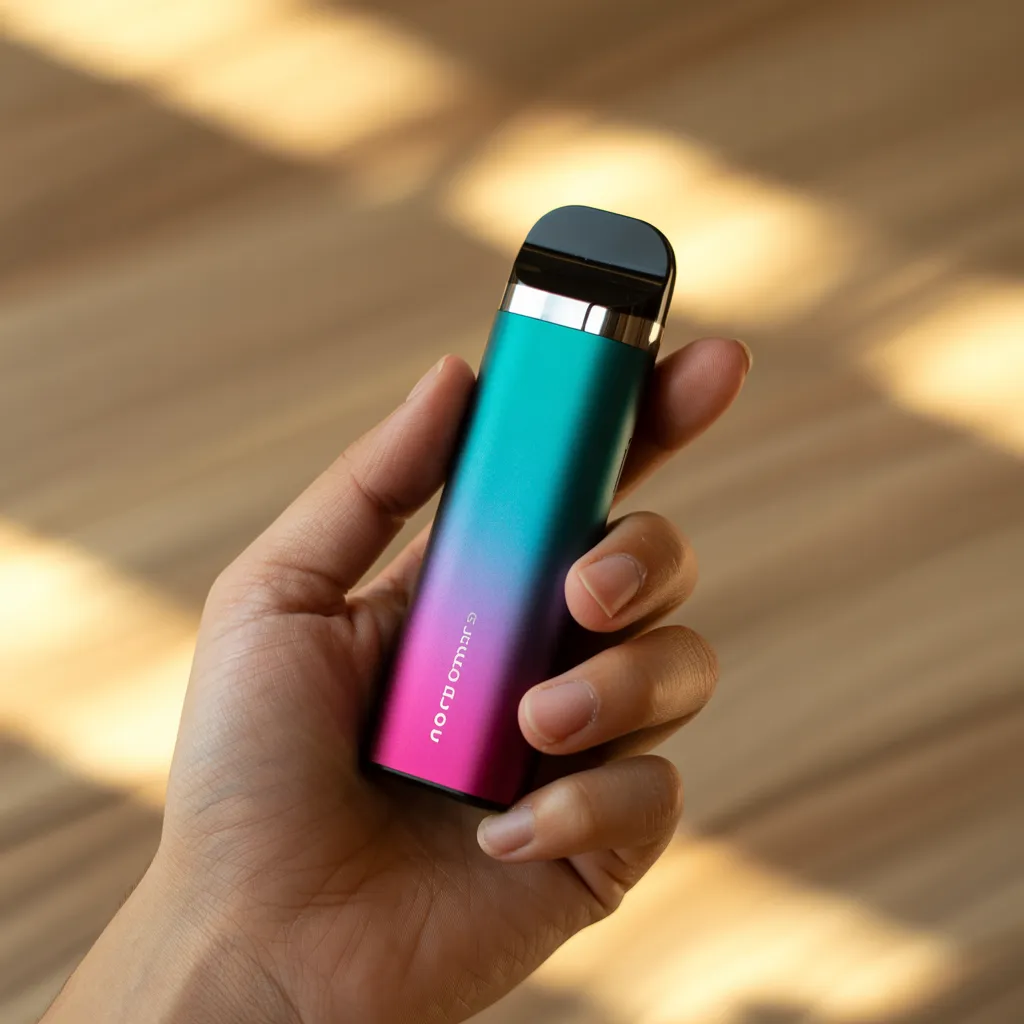
What Is Driving People to Switch to Vaping?
As knowledge of the health hazards connected to traditional cigarette use expands, many individuals are opting for vaping as a perceived safer alternative. This shift is driven by a combination of factors, among them the allure of varied tastes and personalized settings that vaping devices deliver. Numerous users value the wide range of flavors, spanning from fruity to dessert-themed options, which make the experience far more pleasant than traditional tobacco. Furthermore, vaping is frequently regarded as a more socially welcomed activity, especially among younger age groups. The advanced technology incorporated into vaping devices further provides see now a measure of control over nicotine use, drawing in those who wish to decrease their consumption over time. Moreover, the perception that vaping is less intrusive and has fewer lingering odors than smoking contributes to its rising popularity. Consequently, a wide variety of people, ranging from ex-smokers to those newly introduced to nicotine, are progressively transitioning to vaping.
Can Vaping Be Considered Safe? The Health Controversy?
How safe is vaping compared to traditional smoking? This inquiry has ignited substantial controversy among healthcare specialists and the general population. While vaping is often marketed as a safer alternative to smoking, the reality is more complex. Electronic cigarettes generally have fewer harmful compounds than conventional cigarettes, which may potentially lower certain health hazards. Nevertheless, vaping continues to deliver dangerous substances into the body, such as nicotine, which may result in dependency and possible heart-related complications.
Growing research has brought attention to concerns about the long-term effects of the inhalation of vaporized materials, particularly since many ingredients in e-liquids remain unstudied. In addition, cases of vaping-related lung injuries have come to light, adding to the uncertainty surrounding its safety. At the end of the day, while vaping could pose less danger than cigarette smoking, it is not without its dangers, demanding thoughtful evaluation from both users and policymakers.
Who Is Getting Into the Vaping Trend?
What types of people are attracted to vaping? A broad spectrum of individuals is drawn to vaping, encompassing a wide range of demographics and backgrounds. Younger individuals, especially those between their late teens and early twenties, frequently look for substitutes to conventional cigarettes, viewing vaping as a modern lifestyle choice. Numerous individuals are driven by the idea that vaping is a safer alternative and offers a customizable experience through various flavors and nicotine levels.
Moreover, ex-smokers transitioning to vaping form a substantial group. Many consider it a method to decrease nicotine use while still partaking in the act of inhaling. Curiosity also drives some individuals, as the social elements of vaping entice those who wish to connect with like-minded individuals or try new things. The trend's accessibility, combined with its perceived novelty, continues to draw a broad spectrum of participants into the world of vaping.
How Social Media Shapes Vape Culture
What role does social media play in shaping vape culture? Social media networks have grown increasingly central to the promotion and normalization of vaping among different groups. Via eye-catching visual content, influencers portray vaping as a lifestyle option, routinely stressing its aesthetic qualities and social elements. Hashtags and challenges related to vaping create a sense of community, encouraging users to share their experiences and preferences. Moreover, social platforms including Instagram and TikTok empower users to generate and spread tutorials, vaping techniques, and product assessments, increasing the prominence of vaping products and brands.
This continuous exchange cultivates an environment where vaping is not just a habit but an outlet for personal identity. The widespread reach of social media accelerates tendencies, leading to quick transformations in consumer preferences. Consequently, social media functions as a double-edged sword, both increasing visibility of vaping and perhaps embellishing the activity, particularly among younger demographics.
How Vaping Impacts Lifestyle Decisions
Vaping has grown into a powerful force shaping current lifestyle trends, influencing everything from social interactions to personal identity. For a great number of people, vaping acts as a social catalyst, enabling connections across both relaxed and professional environments. Engaging in vaping commonly produces a mutual experience among its users, nurturing community relationships and defining expectations around group interactions.
Furthermore, vaping has transformed personal identity for some people, separating them from traditional smokers or non-smokers. The selection of flavors, devices, and brands allows individuals to showcase their personal preferences, contributing to a sense of individuality.
Furthermore, health-related views surrounding vaping have inspired behavioral changes; many individuals consider it a healthier alternative to smoking, while others embed it within fitness and wellness narratives. At its core, vaping impacts decisions surrounding social habits, self-identity, and overall health, highlighting its significant effect on present-day living habits.
Vape Shops: Community Hubs for Enthusiasts
Within the ever-changing world of vaping culture, vape shops have become essential gathering places for dedicated vapers. These establishments serve as meeting spots where people can connect over their common enthusiasm for vaping. Beyond merely selling products, vape shops often host events, such as tasting sessions and hands-on workshops, cultivating a sense of community among their customers.
The well-informed staff regularly offer helpful guidance into the most recent vaping devices and e-liquids, elevating the complete vaping experience. This individualized service strengthens trust and dedication within the community. Moreover, vape shops commonly cultivate friendly environments, facilitating social engagement among patrons, which may develop into lasting friendships and support systems.
As the vaping trend continues to grow, these shops play an important role in shaping a culture centered around exploration and education. By emphasizing community participation, vape shops not only contribute to individual experiences but also help establish a vibrant, interconnected vaping culture.
Future Trends in Vape Culture
How might vape culture develop as technological advancements and societal views continue to shift? With the progression of vaping technology, developments like smart devices and personalized options are expected to appeal to a broader demographic. Enhanced user interfaces and app integrations may facilitate personalized experiences, allowing consumers to track usage and flavor preferences. Additionally, the growing emphasis on health and wellness could reshape perceptions, leading to more acceptance of vaping as a less harmful alternative to smoking.
Regulatory changes will also play a critical role as authorities introduce tighter controls, producers could prioritize openness and excellence, encouraging a more ethical marketplace. Societal views are likely to change further, with e-cigarettes growing more embedded in everyday society, comparable to the craft beverage or specialty drink movement. In the end, the trajectory of vaping culture will be marked by a fusion of innovative technology, policy supervision, and changing community attitudes, carving out a recognizable place in today's society.
Commonly Asked Questions
Which Flavors Are Most Favored by Vapers Today?
Fruity flavors, especially watermelon, mango, and berry, lead the vaping market at present. Sweet dessert flavors, like chocolate and vanilla custard, also remain highly popular, drawing in those who desire rich and satisfying vaping experiences.
How Much Do You Usually Spend on Vaping Each Month?
The monthly cost of vaping typically range from $30 to $100, based on usage, device type, and e-liquid choices. Frequent vapers may find expenses vary considerably based on personal preferences and consumption patterns.
What Are the Age Requirements for Buying Vape Products?
Indeed, there are age restrictions for buying vape products. In numerous jurisdictions, individuals must be at least 18 or 21 years old, based on local regulations, to legally buy vaping devices and related products.
Does Vaping Help Smokers Quit Cigarettes Entirely?
Vaping might support some users in completely giving up smoking by serving as a less damaging option. That said, its effectiveness varies among users, and reliance on vaping can lead to continued nicotine dependence for others.
What Are the Most Common Misconceptions About Vaping?
Frequent misconceptions surrounding vaping involve the assumptions that it poses no health risks, that it lacks any harmful ingredients, and that it exclusively leads to cigarette smoking. These false beliefs can influence perceptions and behaviors surrounding vaping.